Why is my dog scratching his basket?

You've just washed the bed, put in a brand new cushion… and yet, your dog starts scratching, digging, turning, then repeating as if looking for an invisible treasure. This is a very common behavior, especially in small dogs who like to snuggle. Most of the time, it's not serious. But sometimes, it's a useful signal: something isn't right for them (temperature, smell, material, pain, stress, parasites).
In this article, we'll keep it simple: understand the most frequent reasons, identify the warning signs, then choose concrete solutions so your dog can find a comfortable and reassuring sleeping spot again 🩵
Scratching the bed: a normal behavior… most of the time
Before looking for a problem, you should know that scratching their bed is often a mix of instinct and habit. Many dogs repeat gestures inherited from their ancestors: preparing a sleeping area, compacting the material, creating a "nest." Even at home, with a soft bed, a dog's brain can retain this reflex.
The key point is frequency and context. If your dog scratches for 10 seconds then lies down calmly: nothing to worry about. If, on the contrary, they scratch for a long time, seem agitated, get up often, pant, whine, or refuse to stay in their bed: it's time to investigate.
The 10 most common causes (and what they mean)
1) They are "nesting" (instinct)
The classic scenario: quick scratching, small turns on themselves, then sleep. Your dog is simply trying to adjust the shape of the bedding to their body. Some dogs also like to push a blanket to create a hollow to support their back.
What you can do:
- Add a small fleece blanket that is easy to reposition.
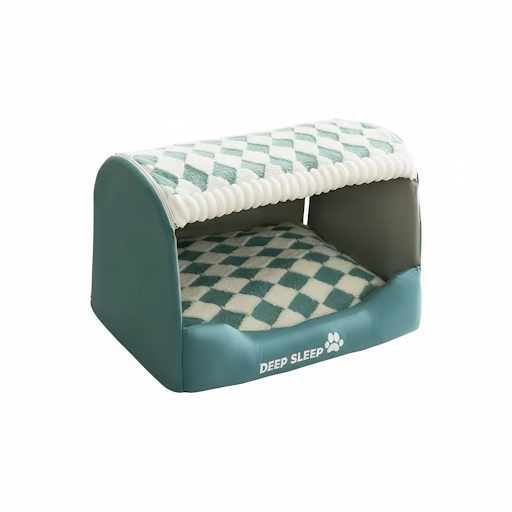
- Choose a bed with raised edges so they can snuggle up against them.
2) The bed is uncomfortable (material, stitching, padding)
A bed might look soft… and yet bother your dog: rubbing stitching, fabric that snags fur, a cushion that's too flat, foam that flattens, a bottom that's too hard. Small dogs, with their light weight, quickly feel pressure points.
Typical signs:
- They scratch for a long time and can't settle down.
- They change places (sofa, rug, bed) after a few minutes.
- They lie down then get up several times.
Solutions:
- Test another surface for 2-3 nights (folded blanket, different cushion) to compare.
- Add a thicker cushion or an insulating layer under the bed if the floor is cold.
- Check the inside with your hand: seams, zippers, tags, rigid parts.
3) They are too hot… or too cold
Yes, dogs can scratch to manage their temperature. When they're hot, they sometimes try to move the fabric away or reach a cooler area. When they're cold, they might try to gather the material to cover themselves.
Useful clues:
- Too hot: they spread out, pant, leave the bed, look for tiles.
- Too cold: they curl up, shiver, try to snuggle against an edge.
Simple adjustments:
- Move the bed away from a radiator or draft.
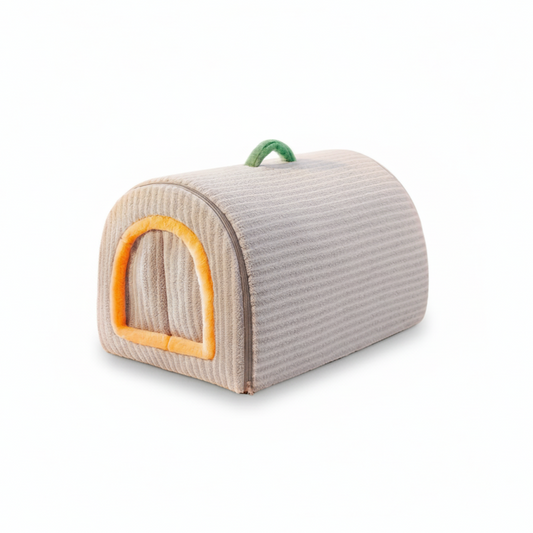
- Offer two options: a more open bed and a more enclosed one (or a blanket).
- In winter, favor bedding that insulates from the floor (not directly on tiles).
4) A smell bothers them (laundry detergent, perfume, cleaning product)
After a wash, some dogs "don't like" their bed anymore. Laundry detergent scents, fabric softener, or certain sprays can be aggressive for their sense of smell. Scratching can be a way to try to "rearrange" or mitigate a smell.
Solutions:
- Rinse longer and avoid fabric softener.
- Let air dry for several hours.
- Slip in a piece of fabric with your scent (clean worn t-shirt) to reassure them.
5) Stress, excitement, need for appeasement
Scratching can be a self-soothing activity, much like "pacing" in humans. A change in routine, the arrival of a baby, moving, noises in the building, loneliness… An anxious dog may scratch more, especially when trying to settle down.
What often helps:
- A stable evening routine (short walk, water, calm, then bed).
- Light enrichment at the end of the day (lick mat, appropriate chewing).
- A more protected sleeping area (against a wall, away from traffic).
6) They are bored (and the bed becomes a "game")
Some dogs, especially young or very energetic ones, scratch because it occupies them. They may also scratch to get your attention (even if you say "stop").
Concrete ideas:
- Increase mental exercise (short learning sessions 3-5 min).
- Offer a short, safe chew at a fixed time.
- Ignore "attention-seeking" scratching and reward calm behavior.
7) They are trying to hide an object (instinct to "cache")
Some dogs scratch to "bury" a toy, a treat, or even a stolen object. If you find treasures in the bed, you have your answer.
To do:
- Avoid leaving treats in the bed.
- Provide a dedicated play area, separate from the sleeping area.
8) Parasites or itching (fleas, irritated skin, allergies)
Sometimes, the bed isn't the problem: it's the skin. A dog that scratches a lot, bites itself, rubs on the floor, or loses fur may have parasites or irritation (food allergy, environmental allergy, dry skin). In this case, it may also scratch its bedding because it is agitated and uncomfortable.
Warning signs:
- General body scratching (not just the bed).
- Redness, scabs, dandruff, unusual odor.
- Licking paws or rubbing snout.
If you suspect parasites, treat the animal and the environment (bed, fabrics, floor) and consult your veterinarian for an appropriate solution.
9) Pain or physical discomfort (joints, back, stomach)
A dog in pain may have trouble finding a comfortable position. It scratches, turns, gets up, sighs, looking for "the" posture that doesn't hurt. In small dogs, certain pains (back, kneecap, hips) can make falling asleep difficult.
When to consider it:
- Your dog grimaces or whines when lying down.
- They avoid stairs or jump less than before.
- They are stiff when waking up or after a nap.
If these signs appear, it's best to consult: pain is not a "whim." A simple adjustment to the bedding can help, but it's most important to understand the cause.
10) The bed is poorly placed (noise, foot traffic, light, draft)
The best bed in the world, in the wrong place, can become an endlessly scratched bed. If the bedding is in a hallway, near the door, facing a cold window, or under a source of noise, your dog may be on edge.
Good placement:
- A quiet place, without constant foot traffic.
- A corner where they can see the room without being in the center of the action.
- A floor that is neither freezing nor scorching, with no drafts.

How to know which cause is the right one? (simple method)
Instead of changing everything at once, proceed like a little detective: one change at a time, for 48 to 72 hours, and then observe.
Step 1: Note the context
Ask yourself these questions:
- Does your dog mostly scratch after the bed is washed?
- Is it worse in the evening, after a busy day, or when you are away?
- Do they scratch then sleep well, or do they never settle down?
- Are there also skin irritations on their body?
Step 2: Test comfort
For 2 nights, place a folded blanket or a different cushion in the same spot. If the scratching significantly decreases, the bed or its padding is likely the cause.
Step 3: Test the location
Move the bed 1 to 2 meters, to a quieter corner. If your dog settles down faster, you're on a solid track.
Step 4: Check skin and coat
Gently inspect: base of the tail, belly, armpits, behind the ears. If you see small black dots, redness, or if your dog is scratching elsewhere, you should consider a dermatological cause.

Concrete solutions to reduce scratching (without overthinking it)
Making the bed more “acceptable”
Simple actions that often work:
- Add a soft blanket that you can easily change.
- Put a thicker cushion if the bottom is flat.
- Remove tags, uncomfortable fasteners, rigid elements.
- Choose a bed with raised edges if your dog likes to snuggle.
Creating a bedtime ritual
Dogs like predictability. A mini-ritual can reduce agitation: last potty break, water, softer light, calm voice, then bed. If your dog calms down when you gently praise them as they lie down, it's a good sign: they associate the bed with calmness.
Managing temperature
For small dogs sensitive to cold, warmth is often an issue. But beware: too much heat can also cause agitation. Try offering an "open" option and a "cozy" option.
Examples:
- A bed with a cushion + a small blanket next to it.
- A bed in a corner, but not next to the radiator.
- In winter: a dog coat or suitable clothing for outside, but not necessarily for sleeping indoors.
If scratching is stress-related
If you suspect stress, first look for the cause (noise, loneliness, change). Then, prioritize approaches that truly soothe: chewing, licking, a stable routine, a protected sleeping area.
To avoid:
- Scolding them: it adds tension.
- Moving them abruptly: they might associate the bed with a bad experience.
If your dog destroys their bed by scratching
When scratching turns into destruction (foam torn out, fabric torn), the main risk is ingestion. In this case, secure the area: remove the damaged bed and offer more robust bedding while you figure things out.
Simple measures:
- Block access to the bed if you can't supervise, and provide safe bedding.
- Increase mental activity during the day (short but regular sessions).
- Consult a vet or trainer if anxiety is suspected.
When should you consult a vet?
Consult if any of these points are present, especially if it's new:
- Your dog no longer sleeps, seems restless, pants, or whines.
- You observe significant itching, redness, hair loss, scabs.
- Your dog shows signs of pain (stiffness, limping, difficulty lying down).
- The behavior is accompanied by vomiting, diarrhea, decreased appetite.
- Scratching becomes compulsive or destructive.
A veterinarian can rule out a medical cause (parasites, pain, skin) and guide you on the next steps. For small dogs, this is particularly important: they sometimes compensate for a long time before clearly showing they are in pain.

Preventing scratching: good daily habits
Cleaning: keep it simple
A clean bed, yes. Too many scents, no. Opt for a gentle detergent, rinse thoroughly, and avoid fabric softener. If your dog is sensitive, let the bed air out after washing.
Choosing a bed suitable for small dogs
Chihuahuas and other small dogs often like cozy beds with raised edges and a thick enough base so they don't feel the floor. A bed slightly smaller than "very large" is often more reassuring: the dog feels contained, like in a nest.
Reinforce positive associations with the bed
If your dog avoids their bed or associates it with a constraint, recreate a positive association: give a treat nearby (not necessarily inside), offer a cuddle when they settle in, and most importantly, don't send them there as a punishment.
Mini checklist: bed before sleep
Without complicating your life, do this mini-check when scratching seems excessive:
- Is the surface comfortable (no uncomfortable seams, no hard parts)?
- Is the bed too hot or too cold?
- Has the bed just been washed with a heavily scented product?
- Is the corner quiet and draft-free?
- Is your dog scratching elsewhere too (skin, ears, paws)?

In summary
In most cases, scratching its bed is normal behavior: your dog is nesting. When it's more intense, the most common causes are discomfort, temperature, a strong odor, stress, boredom, or itching. By proceeding step-by-step (one test at a time), you can often quickly find what's bothering them.
Most importantly: if you see signs of pain, significant itching, or a sudden change in behavior, it's best to consult a vet. A dog that sleeps well is a dog that recovers, feels safe... and returns that to you every day 🩵
If your dog scratches its bed mostly when it's cold, or if it has trouble settling down in the evening, it might be helpful to optimize its sleeping area (comfort, insulation from the floor, calm environment) and reinforce soothing routines (chewing, licking, bedtime ritual).
A bed where your dog quickly settles down is often the result of small, well-adjusted details. And when these details are good, scratching returns to what it most often is: a small ritual before sleeping 🩵
It's often said that it's "normal" for a Chihuahua to shake, but is that really always the case? 🧐
Discover our article "My Chihuahua is shaking: cold, stress, or pain? How to tell the difference": we review the unmistakable signs (body language, context, intensity) to help you understand if it simply needs a sweater or if it's expressing deeper discomfort. 🩵